-
If you're building a new home, you're in a wonderful position. You get to create somewhere that's beautiful to live in, healthier for your family and cheaper to run for decades to come.
New Zealand's Building Code has evolved over the past few years to place greater emphasis on energy efficiency, insulation and thermal performance. The Healthy Homes Standards set minimum requirements for rental properties, and a custom home built for your own family deserves to go well beyond those benchmarks.
Components that go into Building an Efficient HomeAt David Reid Homes, we believe a well-designed home should feel comfortable in every season, make the most of natural light and need less energy to run. Here are the key considerations our design team works through when designing a healthy home.
Start With Smart Home OrientationOne of the most effective ways to improve your home's performance costs nothing extra. It simply comes down to thoughtful design.
Orientating your home to maximise northern sun improves warmth throughout winter and reduces heating costs. Living areas, kitchens and outdoor entertaining spaces benefit most from natural sunlight, while service spaces like laundries, bathrooms and garages sit comfortably on the cooler southern side of the home.
Good orientation also considers prevailing winds, outdoor living and shading, helping keep your home comfortable through summer too.
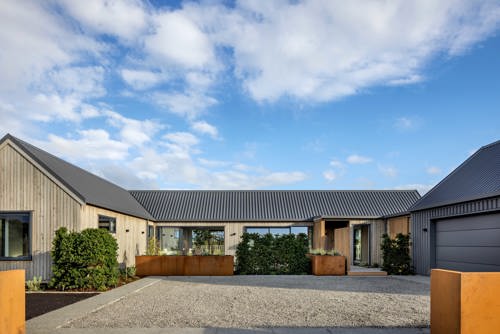
Go Beyond Minimum Insulation RequirementsToday's Building Code and in particular the most recent updates to H1 Energy Efficiency requires high insulation levels, meaning every new home is expected to perform well thermally. Meeting the minimum and achieving real comfort are two different things though.
Choosing higher performing wall, ceiling and underfloor insulation helps maintain consistent indoor temperatures, reduces energy bills and improves comfort year-round. For homeowners planning to stay long term, investing in a stronger thermal envelope pays off through lower running costs and a home that's simply more enjoyable to live in.
High Performance Windows Make A Real DifferenceWindows remain one of the biggest sources of heat loss in any home. Modern high performance glazing, including Low-E glass, argon gas filled double glazing and thermally broken aluminium frames, keeps warmth inside during winter and reduces unwanted heat gain in summer.
High-performing solutions like Centrafix installation methods can help; aligning all insulation elements i.e. wall, window frame, glazing, and prevents cold air from circulating around the window and door frames. This can increase the thermal performance in your home by over 20%.
Window placement matters just as much. Large north facing windows bring valuable winter warmth, while carefully designed eaves and external shading help prevent overheating on hotter days.
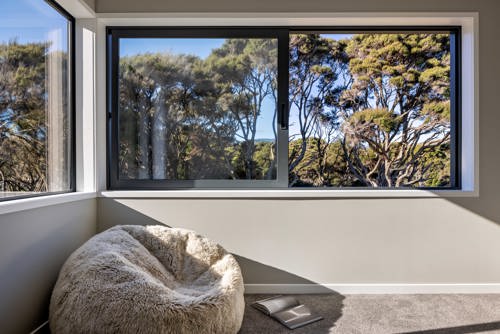
Thinking Beyond HeatingAn efficient home needs less heating in the first place. Once a home's thermal performance has been optimised, choosing the right heating system becomes much simpler.
Depending on your lifestyle and location, options include ducted heat pump systems, hydronic radiator heating, in slab heating, high wall heat pumps and modern clean burning wood fires. The right solution comes down to how you plan to use your home, your budget and the comfort level you're after.
Fresh Air Matters As Much As WarmthWarm homes need to be dry homes too. Everyday activities like cooking, showering and drying clothes bring plenty of moisture into the air. Left unmanaged, that moisture contributes to condensation and mould.
Well designed homes combine extractor fans in wet areas with natural ventilation and, where appropriate, balanced mechanical ventilation systems that improve indoor air quality while minimising heat loss. A healthy home is warm, dry and well ventilated, all working together.
Smarter Water HeatingWater heating is one of the biggest contributors to household energy use.
Homeowners today have plenty of options, including heat pump hot water systems, electric hot water cylinders, gas systems where available, and solar assisted hot water. The right choice depends on your household size, daily water usage and long term energy goals. Our design advice team can talk you through what suits your home.
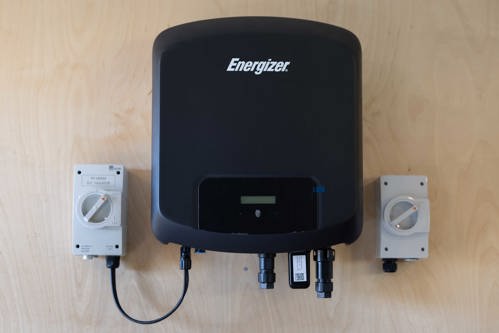
Electrification And Solar Are On The RiseElectrification is one of the biggest shifts happening in Kiwi homes right now. More households are moving away from gas toward all electric heating, cooking, hot water and vehicle charging, supported by better heat pump technology, falling battery prices and a highly renewable electricity grid. Organisations such as Rewiring Aotearoa are a useful resource if you want to understand the wider savings case for going electric.
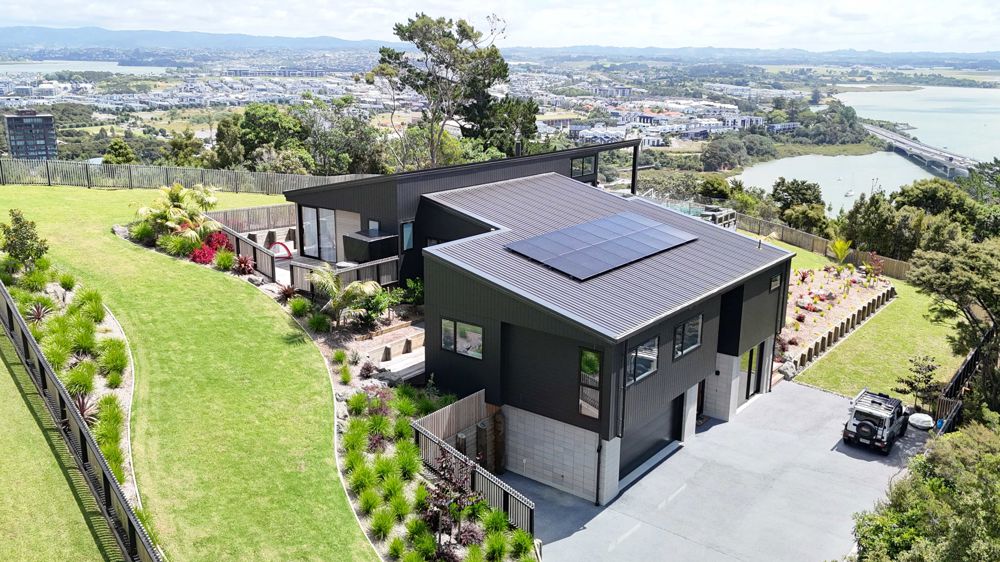
Solar is following the same path. The cost of installing a home solar system has dropped considerably in recent years, while power bills have continued to climb, making it a practical decision for a growing number of households rather than a niche one.
For anyone planning a new build, this is worth designing for early. Wiring your home for solar, battery storage and EV charging from the outset, even if you don't install everything on day one, means adding it later is straightforward rather than costly.
Choose Efficient AppliancesAn energy efficient home extends beyond the building itself. Choosing appliances with strong energy ratings reduces ongoing power use and complements your home's overall performance. Paired with smart home technology, you can monitor and manage energy use, automate heating and lighting, and control systems remotely.
Design For Water EfficiencyReducing water use benefits the environment and your household budget alike. Simple choices such as dual flush toilets, low flow showerheads and efficient tapware cut water consumption without compromising performance. Depending on your property and local regulations, rainwater harvesting or greywater reuse may be worth exploring too.
Build Beyond Today's StandardsBuilding regulations continue to evolve as New Zealand places growing emphasis on healthier, more energy efficient homes.
Today's Building Code sets important minimum standards, and many homeowners choose to go further with higher performing insulation, premium glazing, better ventilation and smarter home technology. These investments improve your home's energy performance and create a healthier, quieter, more comfortable place to live for years to come.
Build A Home That's Ready For The FutureA new home is a long term investment, and thoughtful design decisions made today keep delivering benefits well into the future.
At David Reid Homes, we work closely with every client to create homes that combine architectural design, quality craftsmanship and modern building science. Whether it's optimising your home's orientation, selecting high performance materials or integrating energy efficient technology, we'll help you create a home that's built to last.
If you're thinking about building, we'd love to have a chat. Enquire now and get in touch with your local David Reid Homes team.
Building Efficient Houses with David Reid Homes
Filed under:
- Build Advice